Nintendo’s journey from a small playing card company in Kyoto to one of the most influential entertainment brands in the world is a remarkable story of innovation and resilience. For over 130 years, the company has consistently redefined how we play, creating beloved characters and groundbreaking hardware that have shaped the video game industry . This article explores that evolution, from its humble beginnings to the launch of the Nintendo Switch 2.
The Humble Beginnings: Playing Cards and Diversification
Founded in 1889 by Fusajiro Yamauchi, Nintendo began by manufacturing “Hanafuda,” beautiful, hand-crafted Japanese playing cards . The company found early success, even expanding into Western-style playing cards in 1902 . Under the leadership of Hiroshi Yamauchi, who took over in 1950, Nintendo began to diversify its business, experimenting with ventures like a taxi company, a love hotel chain, and an instant rice business, before ultimately finding its path in entertainment . A crucial pivot came in the 1970s when Nintendo started developing electronic toys, including the Beam Gun series, which introduced opto-electronics to the toy industry . This experimentation laid the groundwork for the company’s entry into the burgeoning video game market .
The Console Revolution: From NES to Nintendo 64
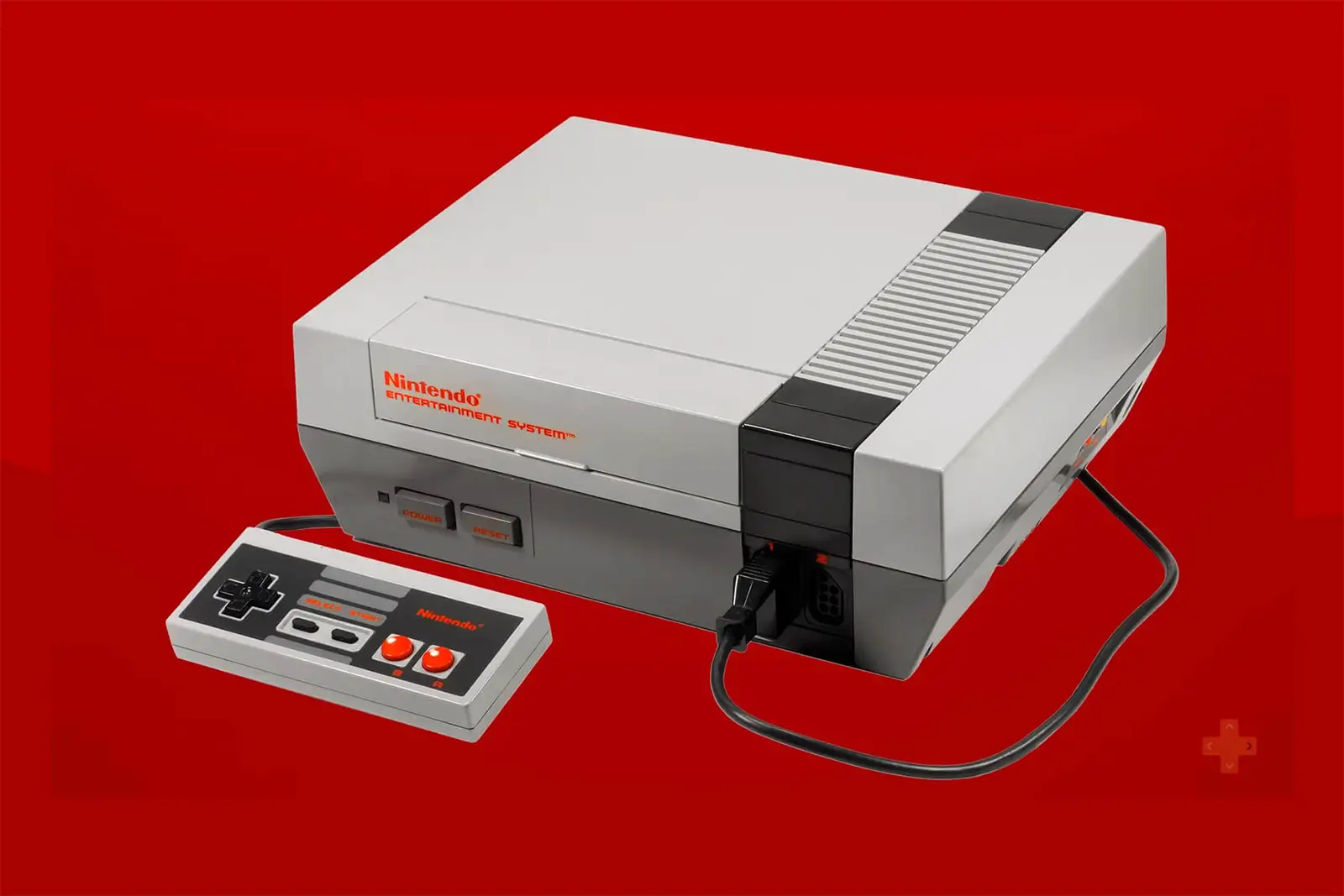
Nintendo’s first major breakthrough came with the home video game console. In 1983, the company released the Family Computer (Famicom) in Japan . This 8-bit console was redesigned for the global market and launched as the Nintendo Entertainment System (NES) in 1985 . After the video game crash of 1983, the NES played a pivotal role in revitalizing the industry . The console became a massive success, partly thanks to iconic franchises like Super Mario Bros., The Legend of Zelda, and Metroid, which established Nintendo as a dominant force in gaming . The NES sold over 61 million units worldwide .
In 1989, Nintendo revolutionized portable gaming with the release of the Game Boy . Unlike earlier handhelds, the Game Boy featured interchangeable game cartridges and a long battery life, making it an instant phenomenon . Bundled with Tetris, it became one of the best-selling consoles of all time . The 1990s saw the release of the 16-bit Super Nintendo Entertainment System (SNES) in 1991, which further expanded on beloved franchises and became the best-selling console of its generation . The Nintendo 64 (1996) pushed the boundaries of 3D gaming with titles like Super Mario 64 and The Legend of Zelda: Ocarina of Time, but it struggled against the competition from Sony’s CD-ROM-based PlayStation .
The Era of Innovation: Wii, DS, and a New Philosophy
After the relatively modest performance of the GameCube, Nintendo adopted a “blue ocean” strategy, focusing on innovation and attracting new audiences rather than competing directly in the graphics arms race with Sony and Microsoft . This philosophy was best embodied by the Nintendo Wii (2006), which introduced motion-controlled gaming through the Wii Remote . The Wii appealed to a broader, more casual demographic, becoming a cultural phenomenon and selling over 101 million units . This success was mirrored by the Nintendo DS (2004), a dual-screen handheld with a touchscreen that also captured a massive market, selling over 154 million units and becoming Nintendo’s most successful console to date .
The Hybrid Future: Nintendo Switch and Switch 2
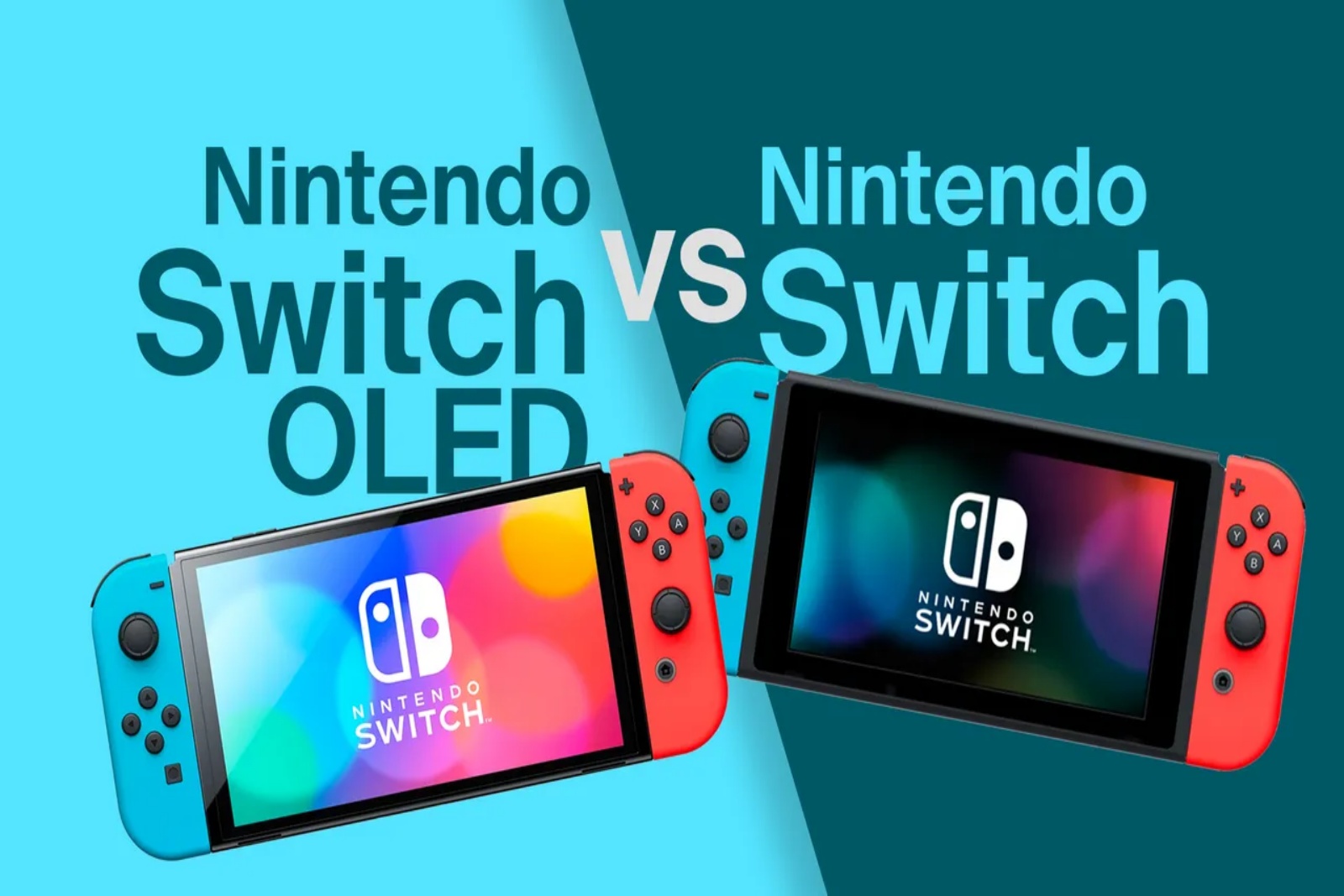
After the commercial disappointment of the Wii U, Nintendo bounced back with its most ambitious concept yet: the Nintendo Switch, launched in 2017 . This hybrid console allowed players to seamlessly switch between playing at home on their TV and on the go, effectively merging Nintendo’s handheld and home console development into one unified platform . The Switch was a massive success, becoming one of the best-selling consoles of all time with over 150 million units sold . The introduction of the Nintendo Switch – OLED Model in 2021 offered a premium portable experience with a vibrant 7-inch screen, a wider adjustable stand, and enhanced audio .
Building on this foundation, Nintendo launched the Nintendo Switch 2 in 2025, marking the next generation of the hybrid concept . The new console is designed to be backward compatible with most Nintendo Switch software, ensuring a smooth transition for the existing massive user base . The company is focusing on transitioning the large Switch install base to the new hardware while expanding its development resources to support the platform’s lifecycle . The Nintendo Switch 2 represents the latest chapter in Nintendo’s history, combining the company’s legacy of innovative hardware with a proven concept, aiming to create “evergreen titles” that will continue to sell well for years to come.