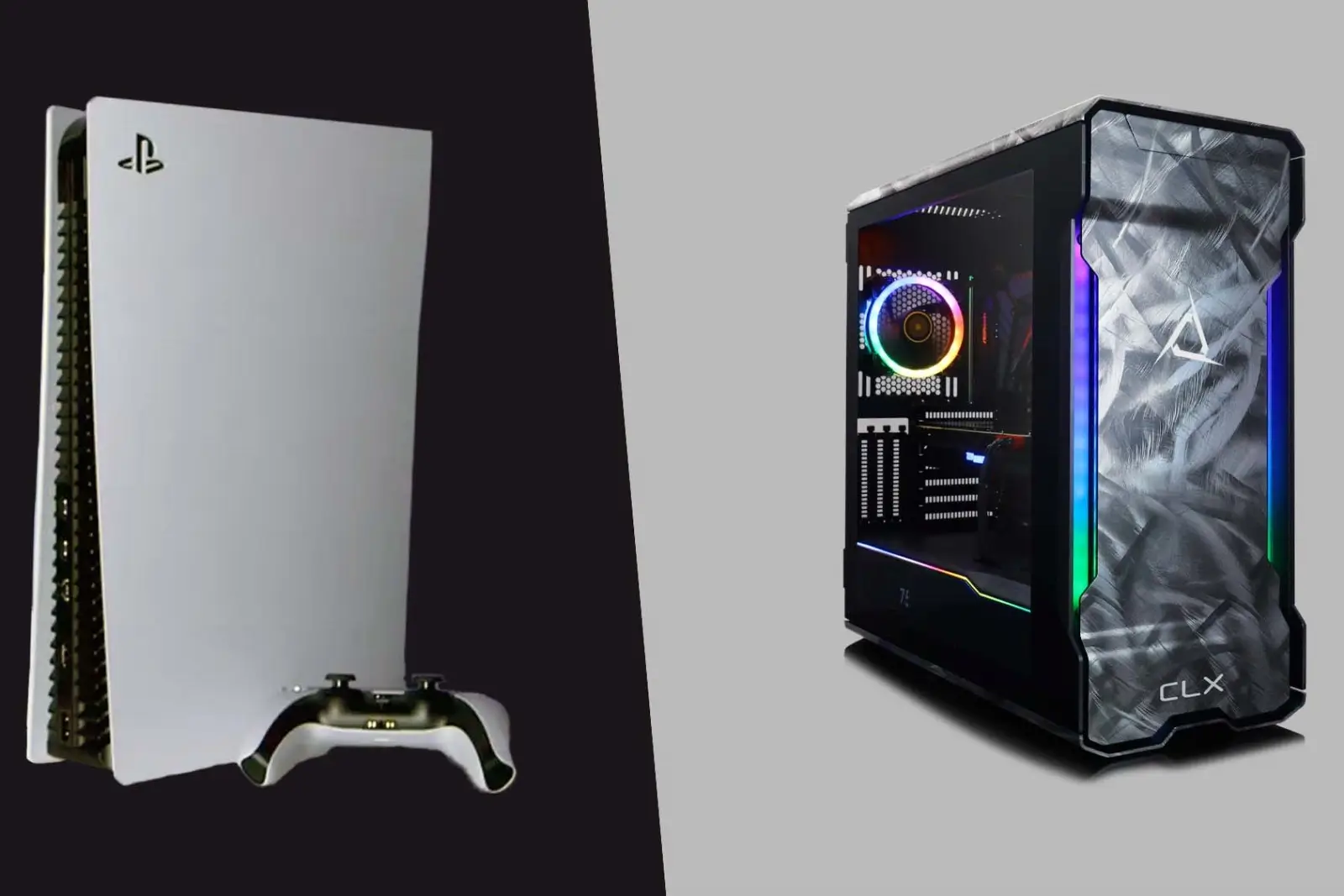
The debate between gaming PCs and consoles is one of the oldest in the gaming community. In 2026, the choice is more complex than ever. Both platforms offer distinct advantages, and the right choice depends entirely on your priorities: performance, budget, convenience, and how you like to play. This guide breaks down the key differences to help you decide.
Performance and Graphics: Power vs. Optimization
The most significant difference between a gaming PC and a console is performance flexibility.
A high-end gaming PC offers the highest possible frame rates and visual fidelity. With components like the NVIDIA RTX 50-series, PCs can target 4K resolution at 120+ FPS and even 8K gaming, with full ray tracing and advanced graphical settings that consoles cannot match . For competitive gamers, PC also offers a ceiling for esports, where 240+ FPS on a high-refresh monitor can provide a real reaction-time advantage .
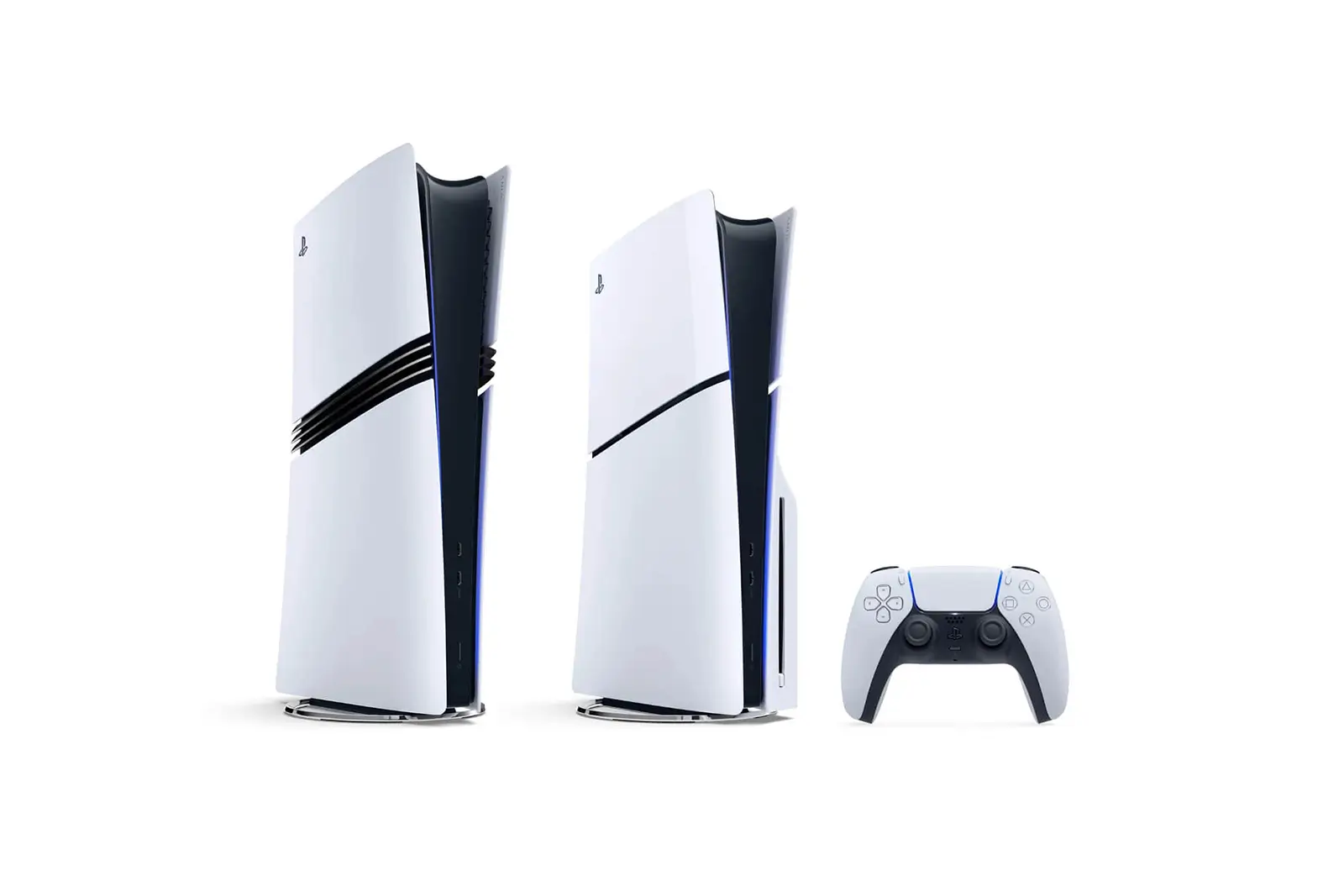
Console performance is more consistent but less flexible. The PS5 and Xbox Series X typically target 4K at 30–60 FPS depending on the game and mode, with some titles offering a 120 FPS performance mode . The hardware is fixed and developers optimize games around it, ensuring a stable and predictable experience . The PS5 Pro, at 16.7 TFLOPS, punches above its weight for its price . However, this consistency comes at a cost: games are built around a console baseline, so PC versions are often scaled-up versions of a console experience rather than fundamentally different visual leaps .
Cost Analysis: Upfront Price vs. Long-Term Value
The cost argument is more nuanced than it appears, breaking down into two phases:
Upfront Costs: Console Wins
- Console: A PS5 or Xbox Series X costs $400–$500, offering a plug-and-play experience with no additional hardware required .
- Gaming PC: A PC that can run current titles at 1080p/60fps starts around $800** if you build it yourself. For 4K gaming, you are looking at **$1,500 or more .
Long-Term Costs: PC Catches Up
- Free Online Multiplayer: PC gaming has no subscription fee for online play, while consoles require PlayStation Plus or Xbox Game Pass Core, costing $60–$80 per year .
- Cheaper Games: PC game stores like Steam, Epic Games Store, and GOG offer frequent sales with discounts of 50–90%. A $70 console launch title often drops to $30–$40 on PC within months .
- No Disc Resale: PC games are digital-only, while console games can be resold, though this is becoming less common .
Estimated 5-Year Total Cost of Ownership
| Cost Category | Gaming PC | Console (PS5 / Xbox Series X) |
|---|---|---|
| Initial hardware | $800–$2,500 | $400–$500 |
| Peripherals / accessories | $200–$500 (monitor, keyboard, mouse) | $60–$150 (extra controller, headset) |
| Online subscription (5 years) | $0 | $300–$800 (varies by tier and platform) |
| Optional upgrades (5 years) | $200–$500 (GPU or storage) | ~$100 (storage expansion) |
| Game purchases (avg. 10 games) | $200–$400 | $400–$700 |
| Estimated 5-year total | $1,400–$3,900 | $1,260–$2,250 |
While consoles have a lower entry point, the total cost of ownership over a generation can be surprisingly close to a mid-range PC, especially when factoring in game discounts and subscription fees .
Game Library and Exclusives
- PC: Offers an immense library of over 50,000 titles across Steam, Epic Games Store, and GOG, with full backward compatibility for decades of games . PC also has the advantage of mods, which can add new content, fix bugs, or completely overhaul games .
- Console: Consoles offer platform-specific exclusives that often drive hardware sales, such as Spider-Man and God of War on PlayStation, Halo on Xbox, and Zelda on Nintendo Switch . While many PlayStation exclusives are now coming to PC, there is still a significant wait .
User Experience and Ease of Use
- Console: The plug-and-play experience is a major advantage. You plug it in, turn it on, and play without worrying about drivers, settings, or system requirements. The interface is optimized for TV and couch gaming, making it ideal for casual play and local multiplayer .
- Gaming PC: PC gaming requires more technical knowledge. Building a PC involves research and assembly, and even prebuilt systems may need driver updates and occasional troubleshooting. However, it offers more flexibility in control options, from keyboard and mouse for precision to any controller you prefer .
The Verdict: Which Is Better?
There is no single “better” platform—the choice depends on your personal priorities.
Choose a Gaming PC if:
- You demand the highest possible performance and visuals .
- You value long-term cost savings from cheaper games and free online play .
- You enjoy customizing your hardware and using mods .
- You want a machine that can also handle work, content creation, and multitasking .
Choose a Console if:
- You want a low upfront cost and a simple, hassle-free experience .
- You prefer playing on your couch with a controller and a TV .
- You are eager to play console-exclusive titles .
- You value consistent, optimized performance without needing to tweak settings .
The debate is also evolving. Valve has announced a new Steam Machine for 2026, a compact cube PC running SteamOS, designed to bring PC gaming to the living room . Microsoft’s next Xbox is reportedly becoming a “premium PC with an Xbox sticker,” further blurring the lines between the two worlds . In this hybrid era, the choice between a gaming PC and a console is increasingly about how you want to play rather than the hardware itself.