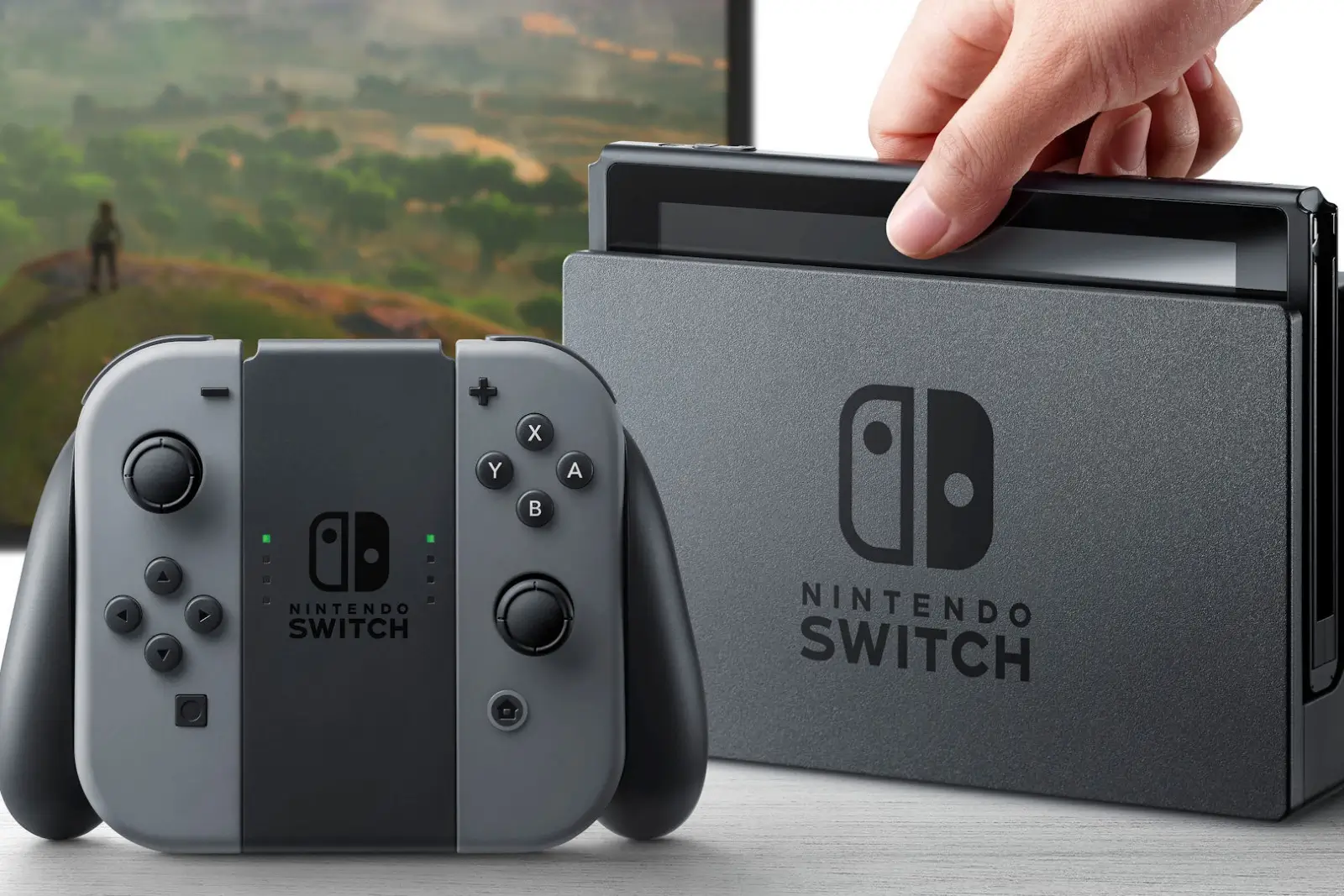
In 2017, the original Nintendo Switch pulled off something improbable: it rescued the handheld console from obscurity, blended it with home gaming, and delivered a hit that sold over 150 million units . Now, eight years later, the Nintendo Switch 2 has arrived. It’s not a revolution to the formula, but a confident evolution . Here is what makes it different.
Evolution, Not Revolution: The Design Philosophy
The Switch 2 sticks closely to the form and function of its predecessor. It remains a hybrid console that alternates between a portable handheld and a home entertainment system that outputs to your TV via a docking station . This “if it ain’t broke, why fix it?” strategy is a smart and safe choice . For many reviewers, it is exactly what you want from a sequel: more of the same, but better .
What makes the Switch 2 truly different is the refinement of the original concept .
A More Premium Feel and Bigger Design
The Switch 2 feels like a more premium product. It is significantly larger, measuring 4.5 x 10.7 x 0.55 inches, absolutely dwarfing its predecessor . While this makes it less pocketable, it accommodates a larger screen and more comfortable controls .
- Screen: The device features a stunning 7.9-inch 1080p LCD screen, a major upgrade from the original’s 6.2-inch 720p display . It supports HDR and frame rates up to 120 fps, making games look brighter, smoother, and more detailed . However, it is worth noting this is an LCD, not OLED. Some reviewers feel this is a downgrade from the vibrancy of the Switch OLED model .
- Build: The construction feels more solid, with a sleek, “grown-up” all-black aesthetic . The new stand runs the entire length of the tablet and is much more stable . There is also an additional USB-C port on the top, making it easier to charge while playing in tabletop mode .
A Controller That Snaps into the Future
The new Joy-Con 2 controllers are a defining feature of the Switch 2, making it different from any previous Nintendo controller.
- Magnetic Attachment: The controllers attach with a satisfying “snap” using strong magnets, making the connection feel far more secure than the original’s rail system .
- Mouse Mode: Each Joy-Con 2 can be used as a mouse by sliding it on a flat surface . This opens up new gameplay possibilities for FPS, strategy, and simulation games, allowing for PC-like precision .
- GameChat and the C Button: A new “C Button” on the right controller launches GameChat . This built-in voice and video chat feature (requiring a compatible USB-C camera) allows you to share your game screen and connect with friends in a way that feels like hanging out together .
Performance: Breathing New Life into Old Games
This is arguably where the Switch 2 shines brightest. The custom Nvidia chip and 12GB of RAM deliver a significant power boost . Playing games like Cyberpunk 2077 on a handheld device is a “wow moment” that was previously impossible . The more powerful hardware also brings much faster menu navigation and reduced load times, fixing the “molasses-like sluggishness” of the original Switch .
Backward Compatibility with a Catch
The Switch 2 plays both physical and digital Nintendo Switch games . This is fantastic for players who have spent years building their library . However, the backward compatibility has some quirks:
- Paid Upgrades: Some titles, like The Legend of Zelda: Breath of the Wild and Tears of the Kingdom, require a $10 purchase to unlock 4K/60fps improvements . These upgrades are free for Nintendo Switch Online + Expansion Pack subscribers .
- No Old MicroSD Cards: The Switch 2 uses faster microSD Express cards, meaning the memory cards from your original Switch are not compatible for transferring games .
- Physical Media Issues: Continued support for the old cartridge format has created some limitations, leading to “Game-Key Cards” that essentially require a download, which has frustrated collectors .
The Verdict: Different Enough to Be Worth It?
The Nintendo Switch 2 is a better Switch. It offers the best Switch experience we’ve had, with a larger screen, more powerful performance, and some genuinely clever new features like the magnetic Joy-Cons and mouse controls . It is a “no-brainer” for anyone upgrading from the original model .
However, it is more expensive—$450 for the console alone, with first-party games like _Mario Kart World_ hitting an eye-watering $80 . For many, the safe and iterative approach makes it a worthy but not urgent upgrade .
It is a console that celebrates what made the original great while finally fixing most of its flaws. If you want a handheld that can play both your classic library and modern blockbusters, the Switch 2 is a unique and powerful choice.