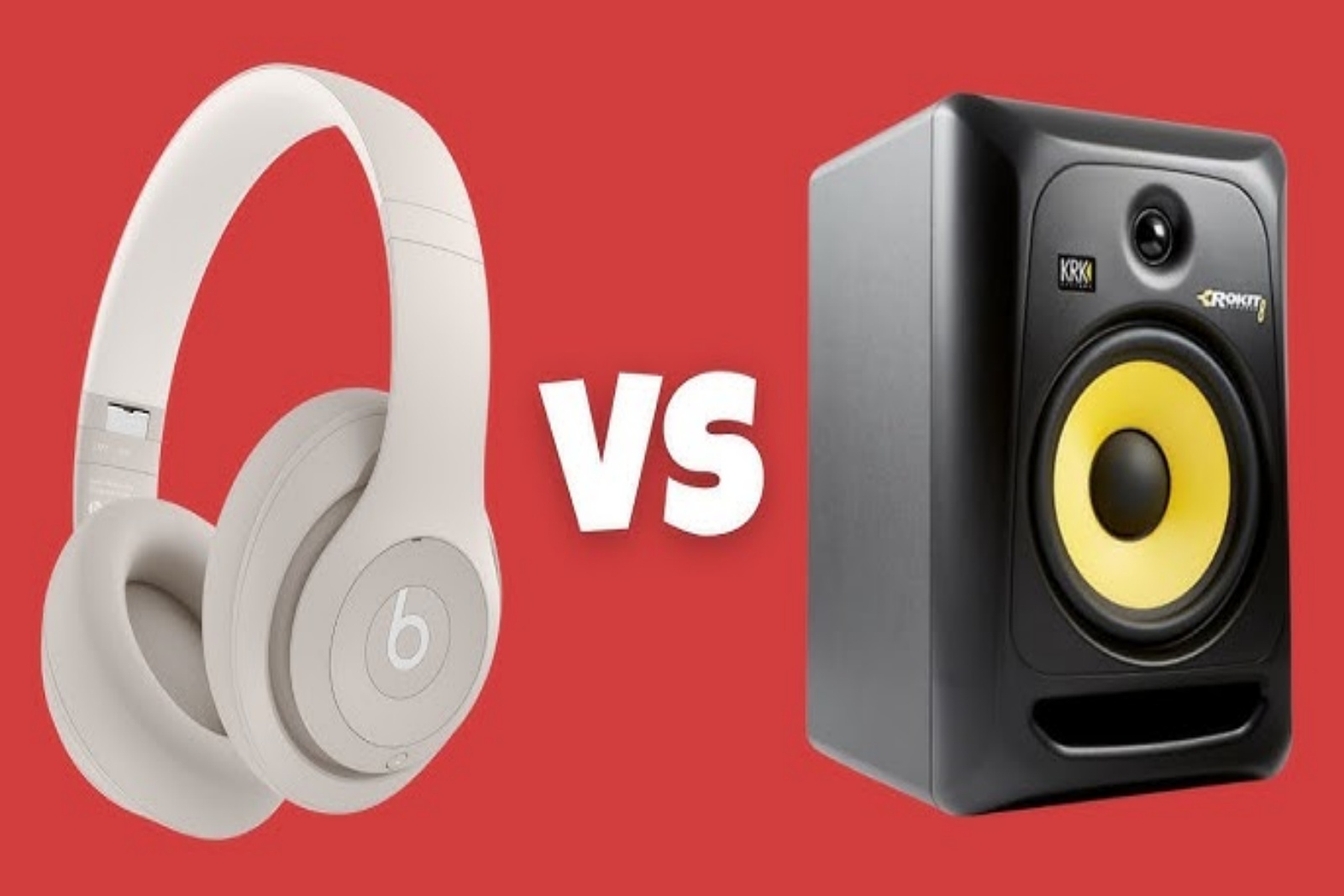
The debate between gaming headsets and speakers is as old as gaming itself. While both deliver audio, they serve fundamentally different purposes. The best choice depends entirely on your gaming style, environment, and priorities.
Here is a breakdown of how headsets and speakers compare in key areas to help you decide which setup is right for you.
Competitive Gaming: Headsets Dominate
For competitive shooters like Valorant, Counter-Strike 2, and Apex Legends, a headset is the clear winner. These games demand pinpoint directional accuracy to hear enemy footsteps, reloads, and other audio cues.
Headsets position the drivers directly next to your ears, making it easier to differentiate where a sound is coming from. This is critical for situational awareness and can directly impact your win rate. Furthermore, using a headset prevents game audio from being picked up by your microphone, keeping voice communication clear for teammates—a cardinal sin of online gaming.
Many gaming headsets also feature virtual surround sound technologies to simulate a multi-speaker setup, though a quality stereo headset that lets the game engine handle audio processing is often the better choice.
Cinematic and Single-Player Games: Speakers Shine
When it comes to immersive, story-driven games or racing titles, speakers offer a superior experience. They create a broader soundstage, meaning the audio feels more realistic and room-filling. The sensation of sound coming from your actual environment, rather than a driver pressed against your ear, makes the experience more engrossing.
High-quality speaker systems, especially 2.1 setups with a subwoofer, deliver impactful bass that makes explosions and engine roars feel visceral. This is something that headsets, limited by their size, struggle to replicate. For sharing the experience with others in the same room, speakers are the only practical solution.
Comfort and Freedom
Headsets are designed for comfort during long sessions, featuring memory foam ear cushions and adjustable headbands. However, they can become heavy and warm over time, and they physically tether you unless you opt for wireless.
Speakers offer complete physical freedom. You are not wearing anything on your head, which can be more comfortable for marathon sessions and allows you to remain aware of your surroundings.
The Open-Back Alternative for Headsets
For those seeking the best of both worlds—the spatial awareness of speakers with the privacy of a headset—open-back headphones are a compelling alternative.
Unlike most gaming headsets, which have a closed-back design, open-back headphones use grills that allow air and sound to pass through. This creates a wide, natural-sounding soundstage that is more spacious than closed-back headsets. This design improves sound separation and clarity, making it easier to detect footsteps even during intense firefights.
However, open-back headphones leak sound, so they are not suitable for shared spaces or noisy environments. They are also typically wired, which some may find inconvenient.
Price and Value
Gaming headsets generally offer good value, with budget options starting around $30 and premium models reaching $300 or more. They are an all-in-one solution that includes a microphone, making them convenient and cost-effective.
Speakers can be more expensive, particularly for high-quality surround sound systems or studio monitors. Additionally, you may need to purchase a separate microphone for communication, increasing the overall cost and desk space required.
The Verdict
There is no single winner in the headsets vs. speakers debate. The best choice depends on your priorities:
- For competitive gaming and clear communication, a headset is essential. It provides the directional accuracy and noise isolation you need to win. Consider an open-back headset for improved spatial audio.
- For immersive single-player games, shared viewing, or physical freedom, speakers provide a more cinematic and comfortable experience.
- For many gamers, a hybrid approach is the best solution: a good set of speakers for casual gaming and media, paired with a dedicated headset for competitive late-night sessions.