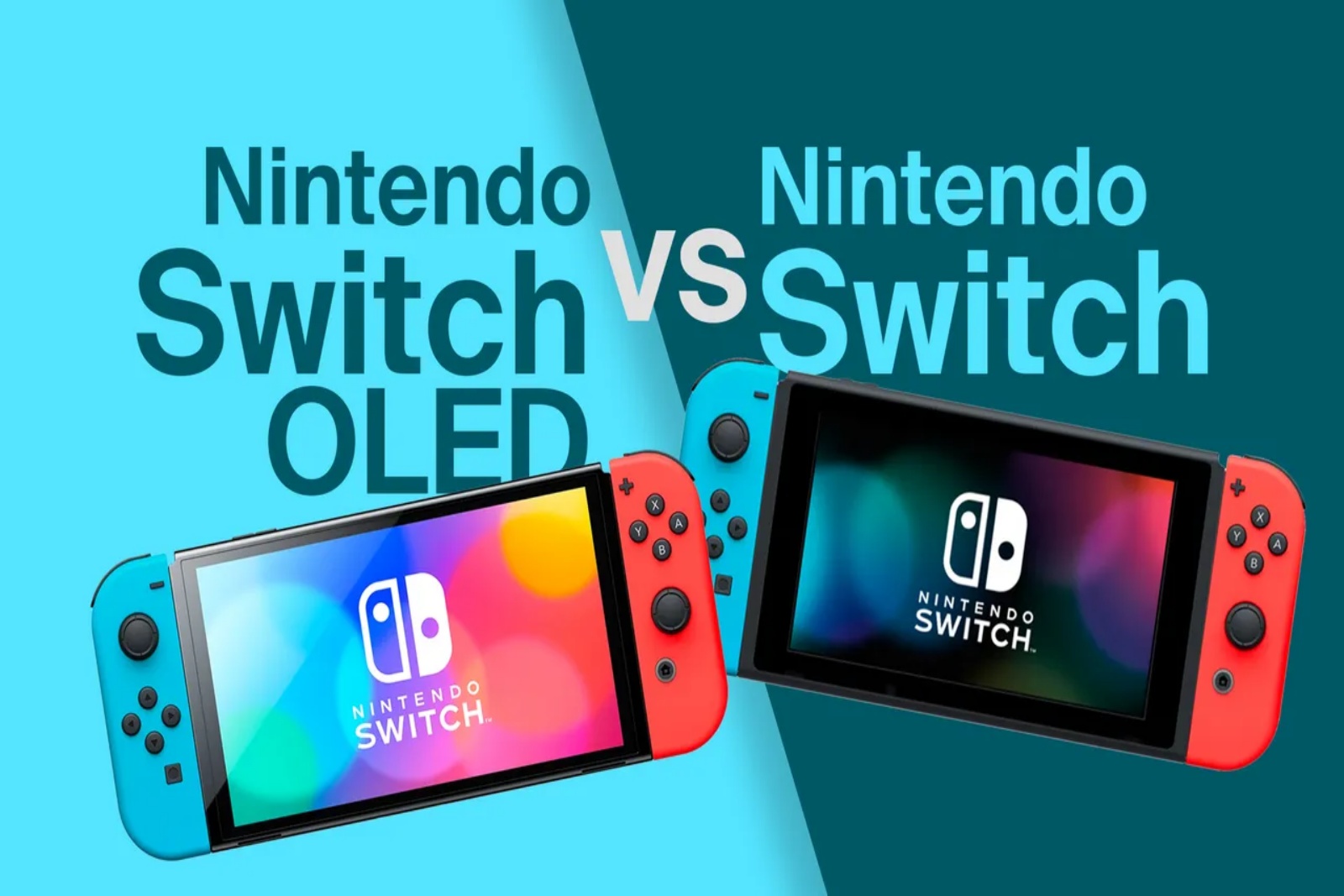
Deciding between the Nintendo Switch and the Nintendo Switch OLED in 2026 is a question of prioritizing the handheld experience. Both play the same games, but the OLED model offers significant upgrades for those who play undocked. Here is everything you need to know to choose.
The Bottom Line Up Front
- Choose the Switch OLED if: You primarily play in handheld or tabletop mode and want a premium screen experience. The OLED display offers vibrant colors, deeper blacks, and a larger 7-inch screen .
- Choose the standard Switch if: You mostly play on your TV, are on a strict budget, or are buying for a child. The performance is identical to the OLED, and the standard console is often available at a lower price .
Head-to-Head Comparison
The internal hardware of the standard Switch and Switch OLED are identical. Both use the same NVIDIA Tegra X1 processor, 4GB of RAM, and deliver up to 1080p resolution when docked and 720p in handheld mode . The differences are all in the screen, storage, and physical design .
Key Differences Explained
The Screen: OLED vs. LCD
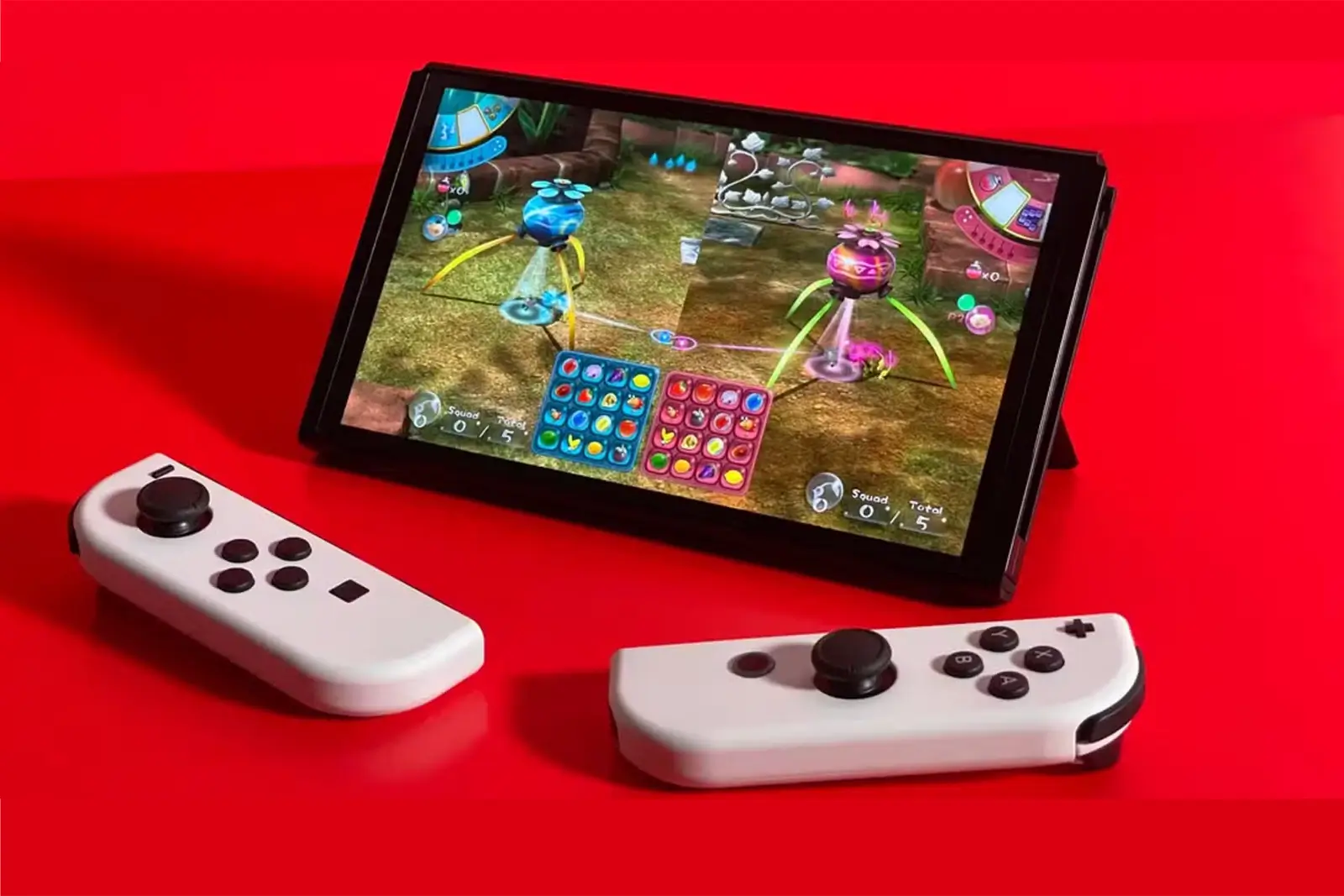
This is the main differentiator. The OLED screen on the newer model is a significant upgrade if you play in handheld mode. It delivers incredibly vibrant colors, perfect black levels, and higher contrast, making games like The Legend of Zelda: Tears of the Kingdom look stunning . The screen is also slightly larger, increasing from 6.2 inches to 7 inches . However, the screen is glossy, which can make it more reflective than the original’s matte LCD .
Storage and Design
The Switch OLED doubles the internal storage to 64GB, which is helpful for digital games . Both models accept microSD cards for expansion .
The OLED also features a much more robust kickstand. It is almost as wide as the console itself and adjustable, making tabletop play far more stable compared to the flimsy stand on the original model . The built-in speakers are also improved, producing louder and richer audio .
Performance: The Great Equalizer
This is the most important factor to consider. There is no performance difference between the two consoles . The Switch and Switch OLED use the same processor and RAM. Games will load and play identically on both systems, whether in handheld mode or docked .
This means buying an OLED won’t give you better frame rates or faster load times. Your investment is entirely in the visual experience when playing undocked.
The Verdict
The choice is straightforward.
The Nintendo Switch OLED is the better console for anyone who plays primarily in handheld or tabletop mode. The screen is a fantastic upgrade, the kickstand is more practical, and the extra storage is a welcome bonus . It is the best way to experience Nintendo’s library of games in your hands .
The standard Nintendo Switch remains the smarter choice for gamers who mostly play docked on a TV. Since the performance is identical and the screen is irrelevant, the original model offers the best value. It is also a more affordable option for families or as a secondary console.