The Xbox brand has come a long way since its unexpected debut in 2001. What started as a project born from Bill Gates’ “paranoia” about Sony’s PlayStation has evolved into a cornerstone of the gaming industry, boasting iconic franchises, revolutionary online services, and a growing ecosystem that extends far beyond the console itself . This is the story of that evolution.
The Birth of a Console: The Original Xbox (2001)
The story of Xbox begins not with a desire to make games, but with a strategic fear. In the late 1990s, Microsoft co-founder Bill Gates was skeptical about entering the console market. However, he and Steve Ballmer worried that Sony might leverage its success with the PlayStation to move into the PC space, which was seen as an “existential threat” to Microsoft’s core business .
A team of engineers led by Seamus Blackley had already begun work on a project codenamed “DirectX Box,” a reference to Microsoft’s DirectX graphics technology . After months of convincing, Gates gave the project the green light, and the name was later shortened to Xbox .
The original Xbox launched in North America on November 15, 2001, competing with Sony’s PlayStation 2 and Nintendo’s GameCube . It was the first gaming console produced by an American company since the Atari Jaguar in 1996 . Priced at $299.99, it was technologically advanced for its time, featuring a built-in hard drive and an Ethernet port for online connectivity . Its massive, hulking controller, nicknamed the “Duke,” became an iconic, if somewhat unwieldy, piece of gaming history . The console’s true killer app was Halo: Combat Evolved, a launch title that became a flagship franchise for the brand and defined a generation of first-person shooters .
The Golden Era: Xbox 360 (2005)
Microsoft’s second console, the Xbox 360, launched on November 22, 2005, and marked a turning point for the brand . With a completely redesigned, sleeker white chassis, the 360 was a departure from its predecessor and built upon the foundation of online gaming .
The Xbox 360 popularized Xbox Live, significantly expanding the service introduced with the original console. It allowed players to connect, compete, and share content globally . The console also introduced the Achievement system and “Gamerscore,” which incentivized gameplay and fostered a competitive community . This era also saw the rise of downloadable content (DLC) for consoles, changing how games were monetized and extended post-release .
However, the original Xbox 360 models were plagued by a widespread hardware failure, famously known as the “Red Ring of Death” (RRoD), where three red lights would flash on the console’s front . An estimated quarter of consoles experienced this issue, leading Microsoft to announce an extended warranty to address the problem . Hardware revisions like the Xbox 360 S (June 2010) and Xbox 360 E (June 2013) aimed to fix these issues with redesigned cooling systems and slimmer, quieter designs .
Despite these challenges, the Xbox 360 was Microsoft’s most successful console, selling over 84 million units and establishing the brand as a direct competitor to Sony’s PlayStation .
The Turnaround: Xbox One (2013)
After an eight-year run, Microsoft retired the Xbox 360 in 2013 in favor of the Xbox One . Launched on November 22, 2013, the Xbox One was marketed as an all-in-one entertainment system, designed to be a central hub for gaming, TV, and streaming services .
This vision, however, was met with significant backlash from the gaming community. The initial reveal focused heavily on its multimedia capabilities and came with controversial features: an always-online requirement and digital rights protections that would prevent players from playing used games . This represented a classic misalignment of what players actually wanted . Additionally, the forced inclusion of the Kinect 2.0 motion sensor boosted the price to nearly $500—$100 more than the rival PlayStation 4—which initially outsold the Xbox One by a ratio of nearly 2:1 .
Faced with overwhelming criticism, Microsoft pivoted before launch, removing the always-online requirement and later unbundling the Kinect to lower the price . The console eventually gained traction with features like backward compatibility, introduced in 2015, which allowed Xbox One owners to play older Xbox 360 games . It also introduced the Xbox Adaptive Controller in 2018, a groundbreaking accessibility device designed for players with limited mobility, which was named one of Time magazine’s best inventions of 2018 .
The Xbox One line also received significant mid-generation upgrades. The Xbox One S (August 2016) offered a 40% smaller design and added 4K Blu-ray playback and HDR support . The Xbox One X (November 2017), codenamed “Project Scorpio,” became the most powerful console on the market at the time, delivering true 4K gaming experiences .
The Modern Era: Xbox Series X|S and the Future (2020 – Present)
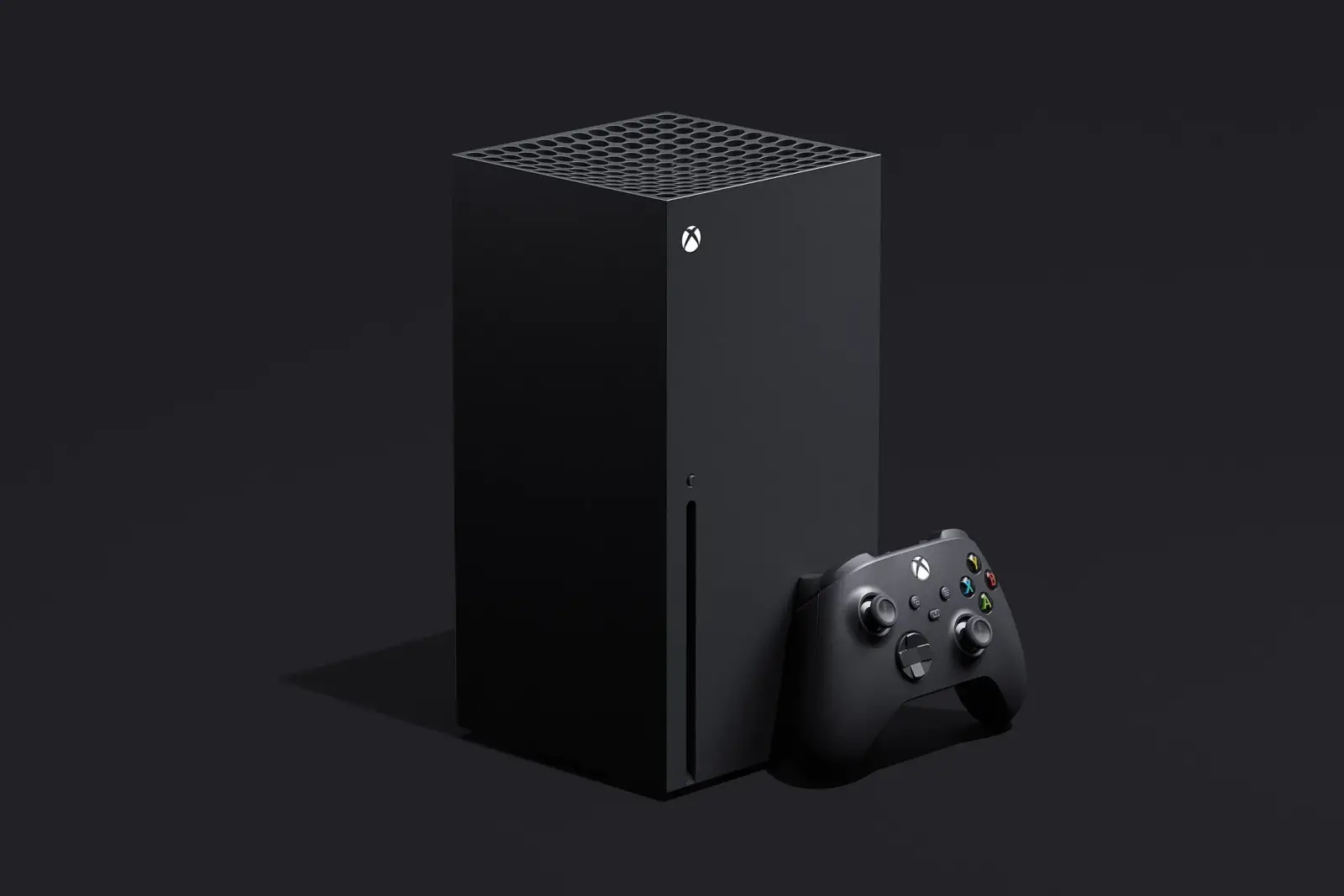
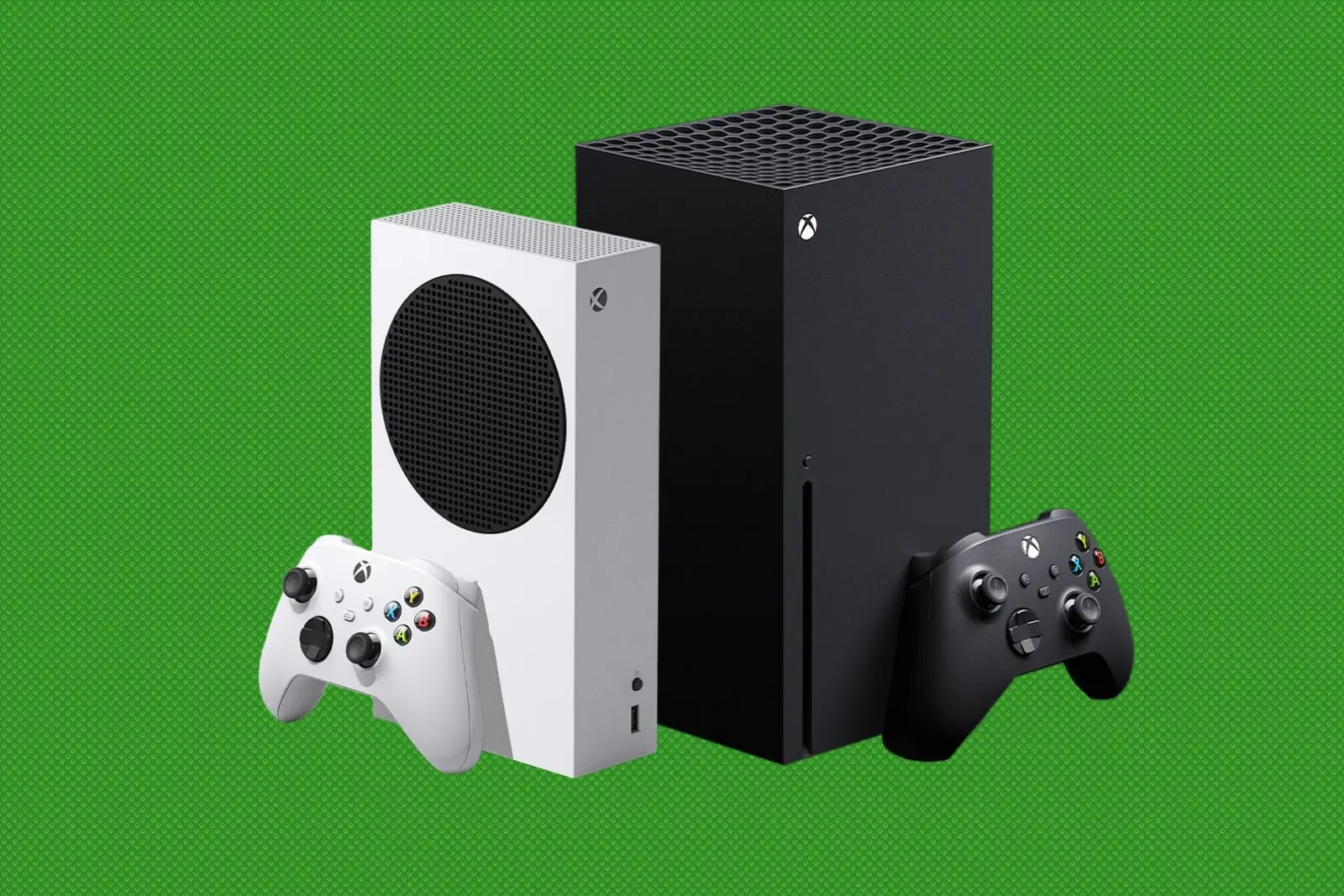
Building on the lessons learned from the Xbox One generation, Microsoft released its latest consoles on November 10, 2020: the high-end Xbox Series X and the more affordable, all-digital Xbox Series S .
The Xbox Series X represents a “powerful monolith” of gaming technology, capable of 120 frames-per-second, Dolby Vision, and advanced ray tracing . It features a custom SSD for lightning-fast load times and the innovative Quick Resume feature, which allows players to seamlessly switch between multiple suspended games . The all-digital Xbox Series S offers a more accessible entry point to the ecosystem, targeting 1440p resolutions . Both consoles embrace backward compatibility, allowing players to enjoy games from the original Xbox, Xbox 360, and Xbox One generations .
Beyond hardware, the modern Xbox era is defined by its services. Microsoft has heavily invested in cloud technologies, expanding Xbox Game Pass, the Netflix-like subscription service that offers a large library of games for a flat monthly fee . The service grew to generate nearly $5 billion in revenue in fiscal year 2025, though recent price increases have led to subscriber losses and subsequent restructuring . Additionally, Xbox Cloud Gaming allows players to stream games to their PCs, smartphones, and TVs—even using a Sony DualShock 4 controller—removing the need to own an Xbox console entirely .
Under the leadership of CEO Satya Nadella, Microsoft has pursued a broader, ecosystem-first strategy . In 2023, the company completed its $68.7 billion acquisition of Activision Blizzard, bringing major franchises like Call of Duty under the Xbox umbrella . While the video game industry has faced slowdowns and layoffs in the post-pandemic period, the Xbox brand continues to evolve as a platform and service beyond its traditional console roots .
From a paranoia-fueled experiment to a multi-billion dollar entertainment empire, the history of Xbox is one of ambition, innovation, and resilience. As the story of the Series X|S generation is still being written, one thing is clear: Xbox is no longer just a console—it is a part of how we play.