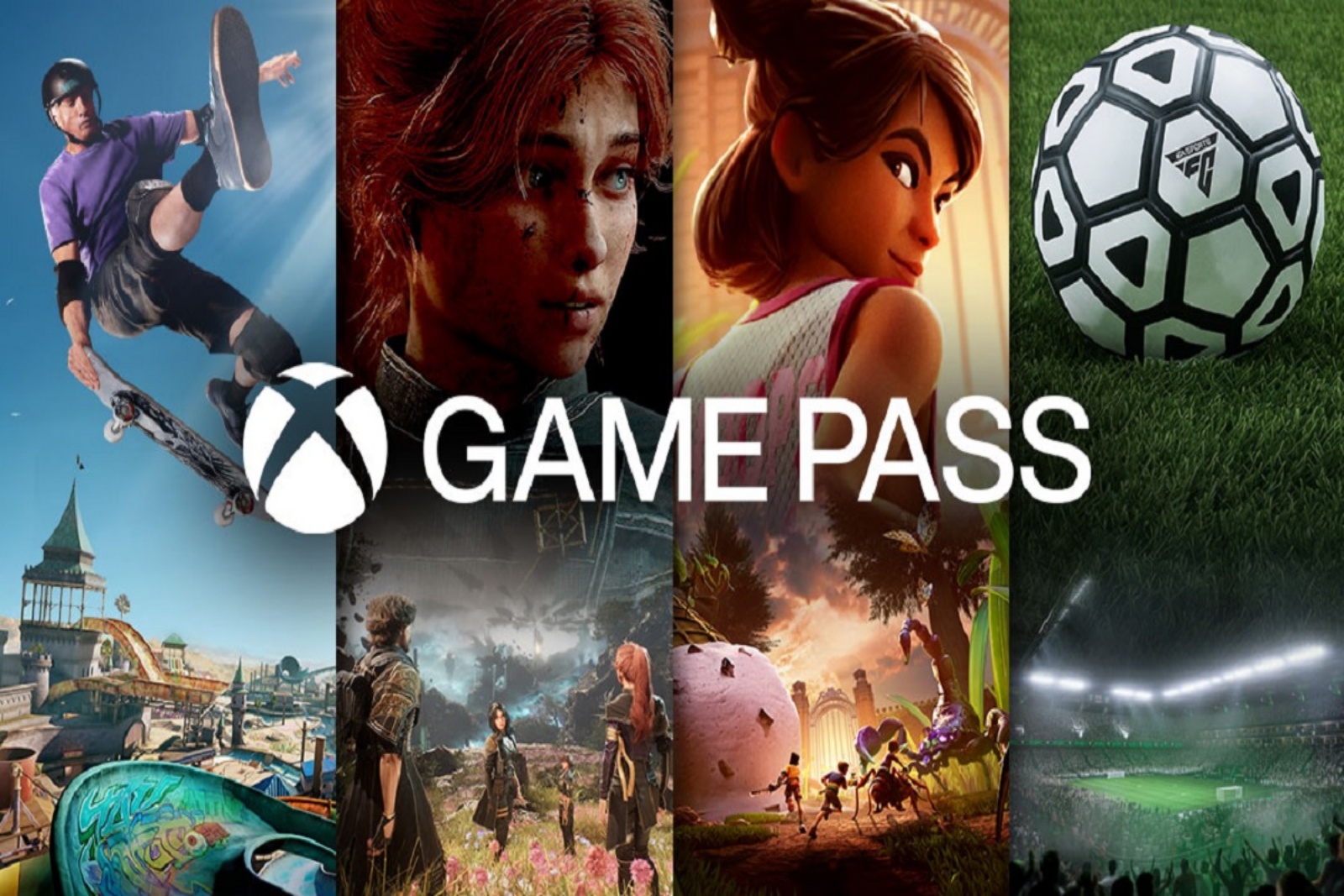
When Xbox Game Pass launched in 2017, it was hailed as the “best deal in gaming.” For a monthly fee, players could access a vast library of titles, including brand-new releases on day one. Eight years later, the service has fundamentally changed how millions of people play and discover games—but not without significant controversy, criticism, and financial turbulence.
The Promise: Accessibility and Discovery
Game Pass’s core innovation was simple yet powerful: it lowered the barrier to entry for gaming. Instead of paying $70 for a single title, subscribers could explore hundreds of games for a monthly fee . This model particularly benefited indie developers and smaller studios. Many players discovered hidden gems they would never have purchased outright, giving niche titles a chance to find an audience they might have otherwise missed .
The service also became a powerful tool for player engagement. By offering over 75 day-one releases annually through its Ultimate tier, Game Pass created a steady stream of content that kept subscribers coming back . In fiscal year 2025, the service generated nearly $5 billion in revenue, proving its commercial viability .
The Contradiction: How Game Pass Disrupted Game Sales
However, the subscription model came with a trade-off. Market research firm Newzoo found that Game Pass users often exhibited “try and abandon” behavior—quickly sampling games but failing to commit to them long-term . This “cannibalization” of traditional game sales became a major concern. A notable example was Call of Duty: Black Ops 6; Xbox users purchased the game in significantly lower numbers compared to previous entries in the series .
This impact was starkly illustrated when Microsoft removed Call of Duty from its mid-tier Premium plan, reserving the franchise for the more expensive Ultimate tier to protect sales . Even first-party releases struggled, with some analysts suggesting that launching games directly into Game Pass reduced the incentive for players to pay full price, thereby lowering immediate revenue .
The Creative Debate: Are Developers Thriving or Struggling?
Perhaps the most heated debate surrounding Game Pass is its effect on game development. Critics argue that the model turns developers into “wage slaves” by removing the profit-sharing and upside potential that comes with traditional sales . Former PlayStation Studios boss Shawn Layden expressed concern that subscriptions devalue individual game launches, making it harder for developers to share in success .
Moon Studios CEO Thomas Mahler went further, arguing that Game Pass incentivizes mediocrity . He suggested that the service encouraged Microsoft’s studios to “slop out mediocre content like a factory” rather than striving for the quality needed to justify a recurring subscription . Mahler pointed to the lack of a definitive “must-play” Xbox hit in recent years as evidence .
Conversely, supporters note that Game Pass provides guaranteed funding for developers, reducing financial risk—especially for smaller teams—and ensuring a stable income . The service has also funded indie projects that might otherwise have been too risky to greenlight .
The Reality Check: Price Hikes and Subscriber Loss
The sustainability of Game Pass’s value proposition was severely tested in late 2025. Microsoft raised the price of Game Pass Ultimate from $19.99 to $29.99 per month—a staggering 50% increase . The result was immediate and severe: the service lost “millions of subscribers” in just a few months .
This backlash forced a dramatic reversal. In April 2026, Microsoft dropped the Ultimate price to $22.99 per month and restructured its tiers . The rebranded Essential ($9.99/month), Premium ($14.99/month), and Ultimate tiers reflected a new strategy: day-one releases were now gated behind the higher tiers, and Call of Duty was removed from the Premium tier .
Polygon described this moment as the end of an era, noting that Game Pass was no longer the “best deal in gaming” . To justify the cost, subscribers now needed to play at least six full-priced games per year—a much steeper requirement than the two games that made the original value proposition so compelling .
The Verdict: A Changed Gaming Landscape
Xbox Game Pass has undeniably transformed gaming. It has popularized the subscription model, made discovery easier, and generated billions in revenue. It has also proven that subscription services can coexist with traditional game sales—at least for now .
However, the model’s growing pains are undeniable. Quality concerns, sales cannibalization, and subscriber churn following price hikes highlight the fragility of the “all-you-can-eat” approach. As the industry watches Microsoft navigate these challenges, one thing is clear: Game Pass has permanently altered how we think about game ownership, value, and discovery. Whether that change is ultimately sustainable remains the industry’s most important open question.